
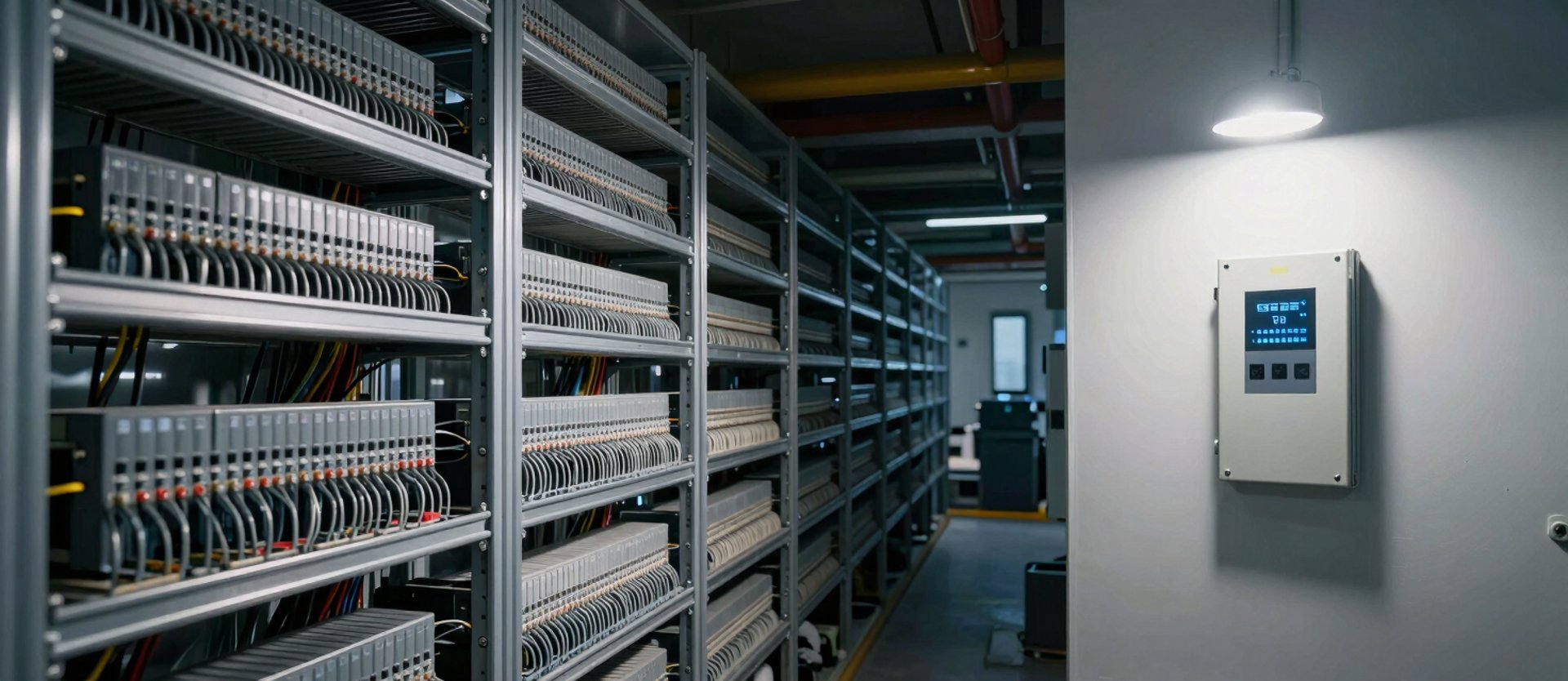
Every discipline. One field-verified scope.
Camera surveillance, access control, fire detection, and data infrastructure — each designed to the building first, installed to code, and closed with a signed test report.
Four disciplines. One installation standard.
IP & Analog CCTV Systems
Site-surveyed camera placement, conduit routing, NVR/DVR sizing, and storage retention calculations — designed to coverage spec before installation begins.
Applicable: NFPA 72 low-voltage provisions, local AHJ conduit codes, NEC Article 725.
Card, Credential & Biometric Entry
Door hardware schedules, controller panel locations, power supply load calculations, and credential hierarchy — specified to building occupancy and egress requirements.
Applicable: IBC egress provisions, NFPA 101, NEC Article 725, local AHJ.
Detection, Notification & Suppression Tie-In
Addressable and conventional panel design, device spacing per NFPA 72, notification appliance circuit calculations, and AHJ submittal packages prepared before rough-in.
Applicable: NFPA 72, IFC, local fire marshal approval process.
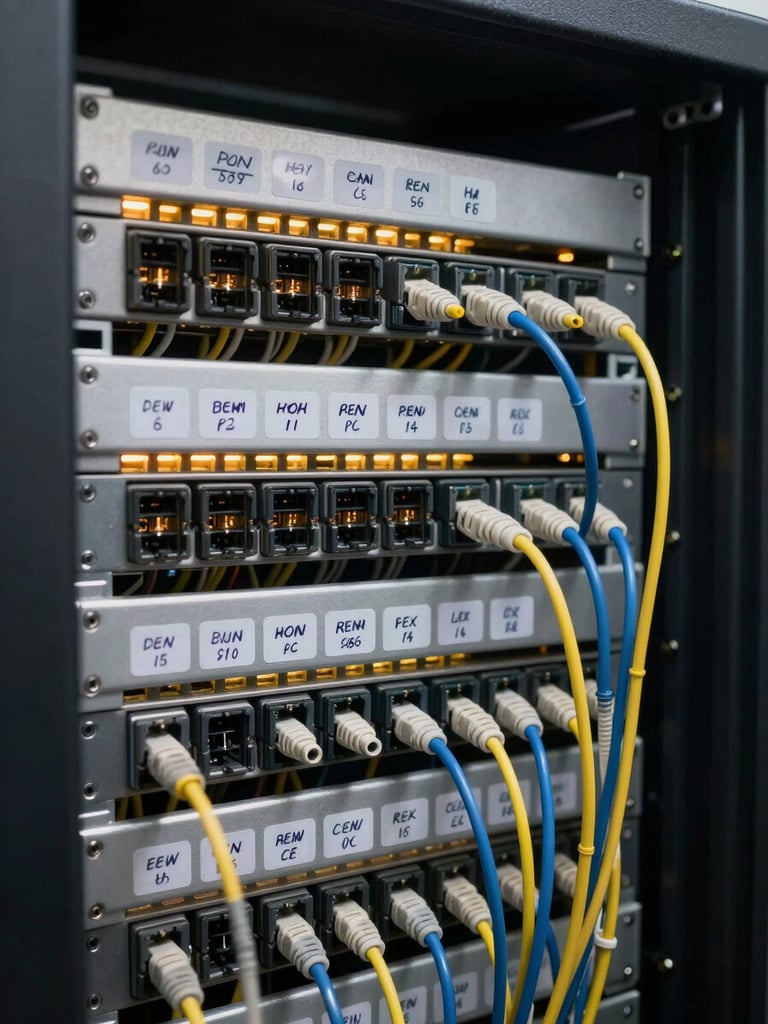
Structured Cabling & Network Distribution
Horizontal and backbone cabling design, MDF/IDF layout, patch panel schedules, and end-to-end certification testing — documented per TIA-568 before cutover.
Applicable: TIA-568, TIA-569, NEC Article 800, local building codes.
Every project closes with as-built drawings, signed test reports, and a commissioning record. These are not add-ons — they are the minimum standard of a properly completed installation.
No shortcuts on code. Every close is documented.
If the building changes mid-project, the drawings change with it. The record you receive reflects the building as it was actually wired.
Design before wire. Verified before handoff.
Pages
Home
Systems
Process
Contact
Get in touch
Email: info@zoytechs.com
Phone:
Turkey: +90 546 440 44 11
UAE: +971 55 867 5677
Site inquiries handled by the installation team
Response within one business day
(C) 2026 ZOYTECHS-Proper design, proper installation, proper handoff.
Field-verified. Every time.

